
Get your Northern Cincinnati property ready for spring! Our essential checklist covers lawn care, garden beds, and more for Mason, Lebanon, and nearby areas.
Schedule a ConsultationCall (513) 509-3741Updated October 14, 2026
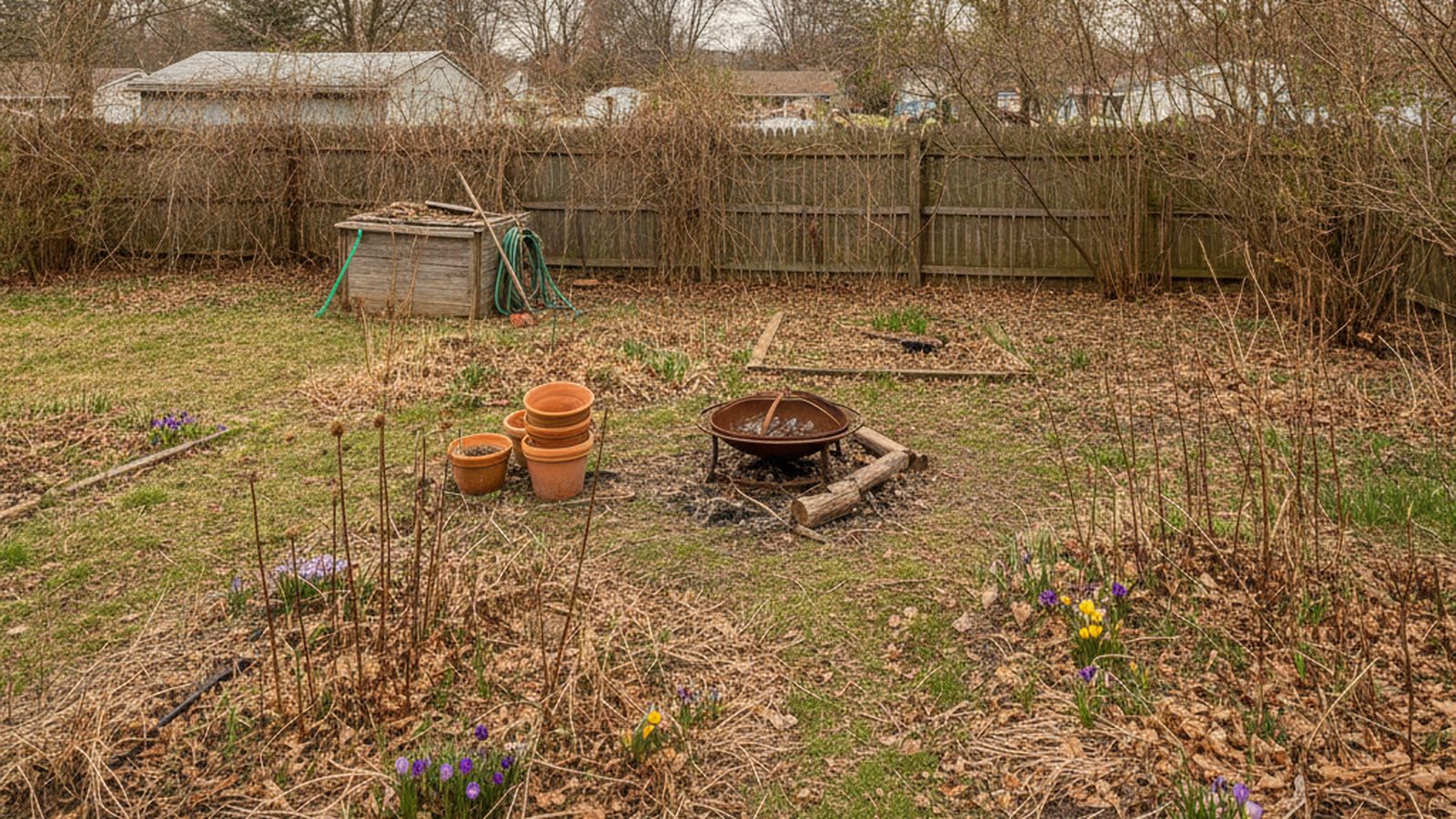
As winter recedes, homeowners across Northern Cincinnati look forward to the vibrancy of spring. However, the region's specific climate, classified as USDA Hardiness Zone 6b, presents unique challenges that require dedicated attention. Our heavy clay soil, combined with repeated freeze-thaw cycles, can lead to severely compacted turf, damaged plant roots, and poor drainage. A professional spring cleanup is more than a simple tidying. It is a critical horticultural service that directly addresses these local conditions and sets the foundation for a healthy, beautiful landscape for the entire year. Without it, lingering winter debris can suffocate new grass shoots and create a damp, inviting habitat for pests and fungal diseases that can plague your property all summer.
A comprehensive cleanup systematically reverses winter's toll. The process begins by removing accumulated leaves, fallen branches, and other debris. This step alone is crucial for allowing sunlight and air to reach the soil. The service then prepares the landscape to thrive by addressing soil compaction, managing water runoff, and ensuring plants get the resources they need for vigorous growth. For properties in communities from Mason to Indian Hill and Lebanon to West Chester, this proactive care prevents larger, more costly issues from developing later. It significantly boosts curb appeal right at the start of the growing season and is the most effective way to ensure your lawn, gardens, and hardscapes recover properly and are ready for family enjoyment.
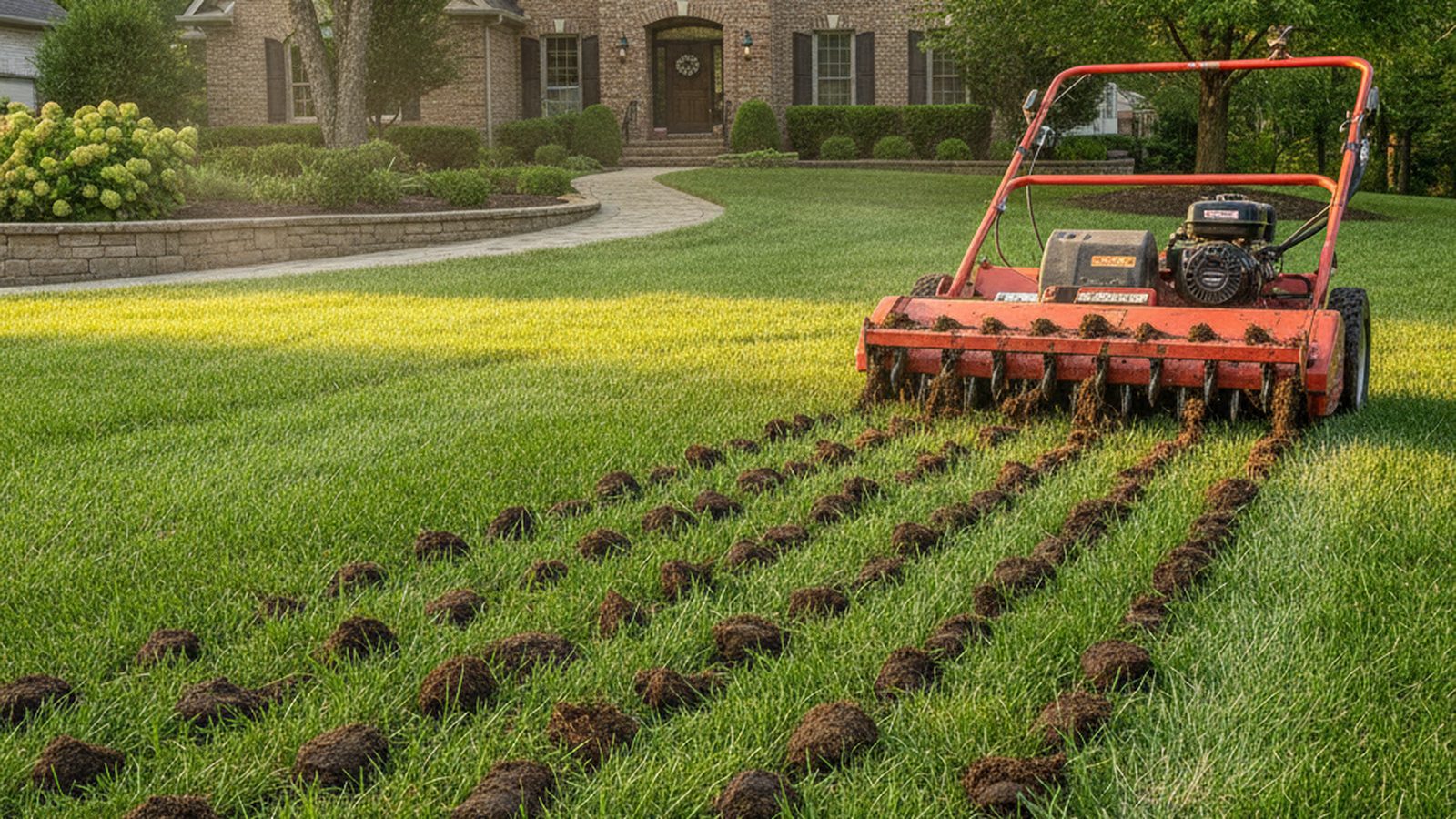
The lawn is the heart of most landscapes, and after a tough Ohio winter, it needs specific care to flourish. Our area is home to cool-season grasses like Tall Fescue and Kentucky Bluegrass, which are best serviced in the cooler temperatures of spring and fall.
Heavy clay soils are prone to compaction and thatch buildup, a layer of dead organic matter that blocks water and nutrients from reaching the roots. Dethatching is best performed in early spring or fall when the grass is actively growing. For our region, this means targeting the late March to April window once the ground is no longer frozen. Core aeration is equally vital. This process removes small plugs of soil, breaking up compaction and dramatically improving the flow of air, water, and fertilizer to the root zone. Spring and fall are the typical and most effective times to aerate lawns in Ohio, especially when the service is combined with overseeding to promote a thicker turf.
After aeration, overseeding helps fill in bare patches and thicken the turf. Applying a slow-release fertilizer designed for cool-season grasses provides the essential nutrients for a strong start. When it's time for the first mow, wait until the grass is 3 to 4 inches tall. Adhere to the 'one-third rule' by never removing more than one-third of the blade height at once, maintaining a height of around 3 inches. This encourages deep, resilient root growth and helps shade out potential weeds.
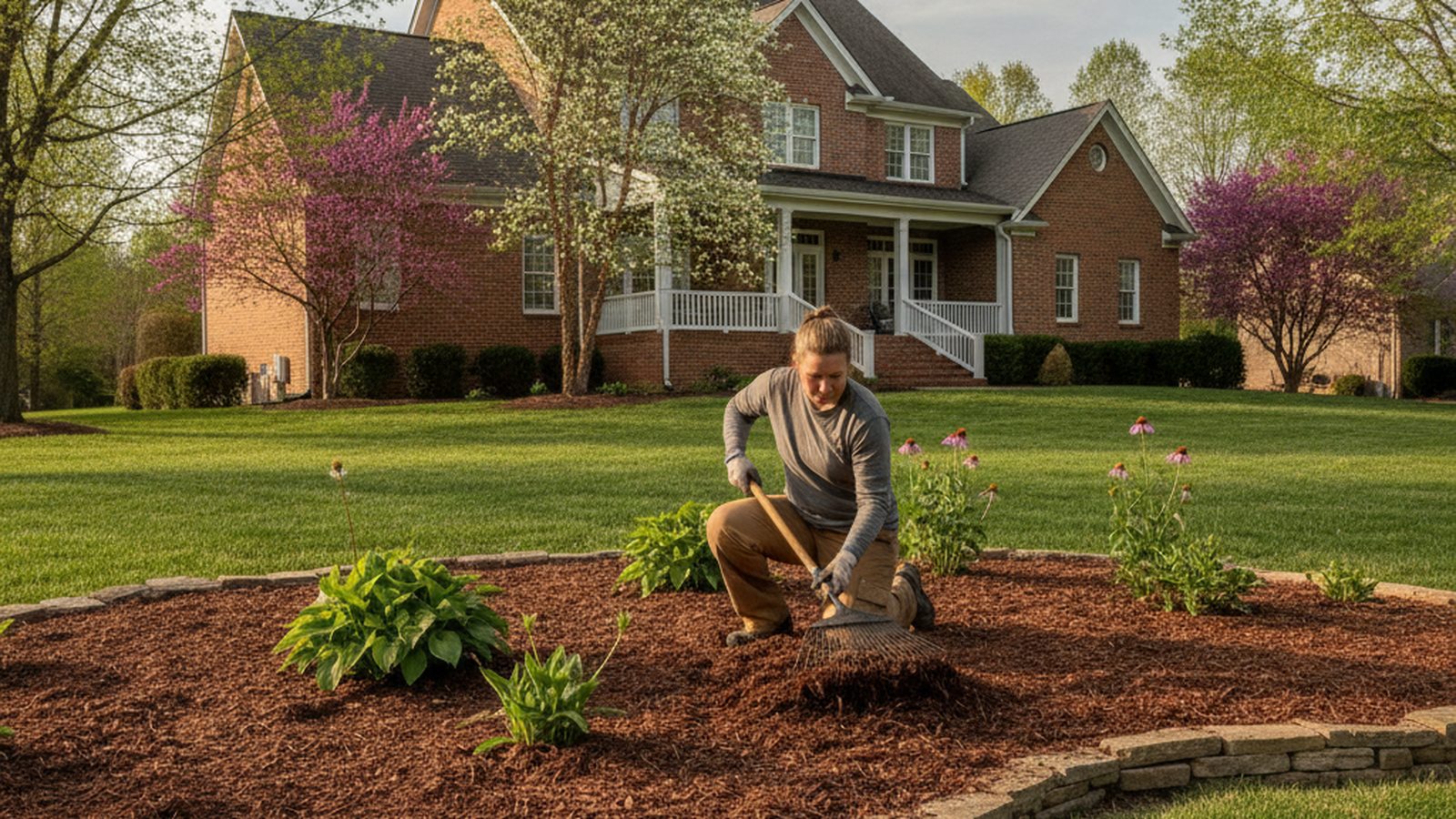
Your garden beds require focused attention to ensure your perennials, shrubs, and annuals have the ideal environment to grow. This process involves cleaning, amending the soil, and applying a protective layer of mulch.
Start by pruning dead, damaged, or diseased branches from shrubs and trees. Cut back last year's foliage from perennials to make way for new growth. This is also the time to redefine the edges of your garden beds, creating a sharp, clean line that prevents turf grass from creeping in and adds a professional, polished look to your landscape. Southwest Ohio's heavy clay soil, while nutrient-rich, benefits greatly from amendments. Adding composted organic material is essential for improving the structure and drainage of the soil. Working 2 to 4 inches of compost into the top layer of soil creates a healthier environment for plant roots.
Applying a fresh layer of mulch is one of the most beneficial steps in a spring cleanup. Organic mulch offers numerous advantages for both plant and soil health, making it a non-negotiable final step. A 2 to 2.5-inch layer is recommended to achieve the primary goals of weed control and moisture conservation. Key benefits include:
Always keep mulch a few inches away from the stems of plants and tree trunks to prevent moisture buildup that can lead to disease.
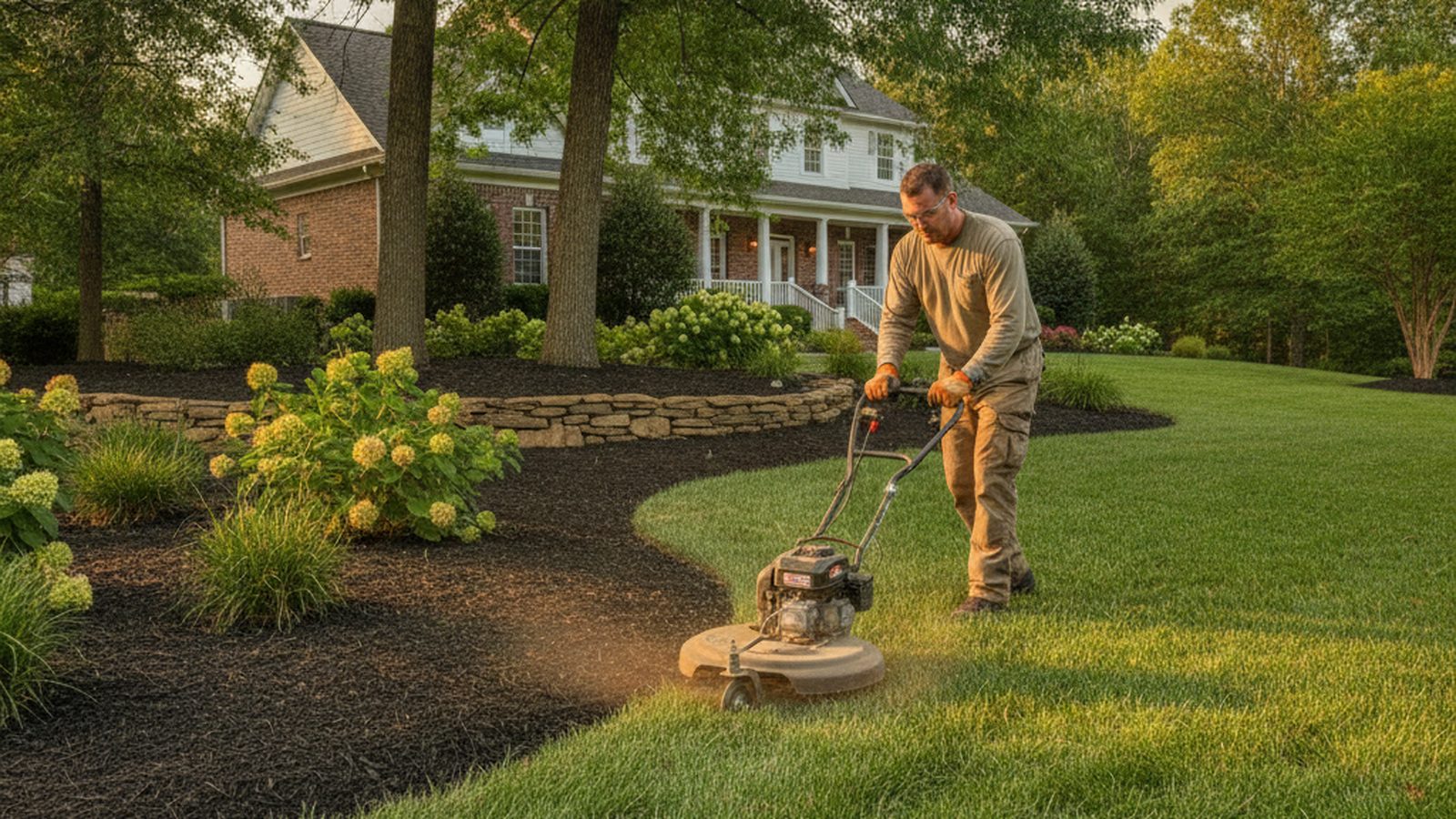
Timing is essential for a successful spring cleanup in our region. Performing tasks too early can expose new growth to a late frost, while waiting too long can mean missing the optimal window for lawn recovery and weed prevention. Certain tasks are best performed at specific moments to align with plant life cycles and local weather conditions. With an average last frost date in the Cincinnati area around mid-to-late April, the ideal cleanup season generally spans from late March through early May. This period allows the ground to thaw completely and soil temperatures to rise enough for grass to begin its active growth phase, making it receptive to treatments like aeration and seeding.
Here is a general timeline for properties in Northern Cincinnati. Note that specific timing can shift slightly based on the year's particular weather patterns, as an early spring or late winter can adjust the schedule by a week or two.
| Timeframe | Key Tasks | Purpose |
|---|---|---|
| Late March to Early April | Debris removal, hardscape inspection, dormant pruning of certain shrubs and trees. | Clear winter damage and prepare the property for new growth before buds break. |
| Mid to Late April | Lawn dethatching, core aeration, overseeding, bed edging, and perennial cutback. | Revitalize the lawn and garden beds as the soil warms and grass begins active growth. |
| Late April to Early May | Applying pre-emergent weed control, planting hardy annuals, and applying fresh mulch. | Protect against summer weeds, establish new plants after the last frost, and lock in soil moisture. |
This structured approach ensures each part of your landscape receives the right care at the right time. It prevents damage to new growth while maximizing the effectiveness of each task, from pruning to mulching. A professional landscaper understands the nuances of this local timing and has the experience to execute a cleanup plan efficiently and correctly for optimal, season-long results. This expertise removes the guesswork and ensures your investment in your property's health and beauty pays off.
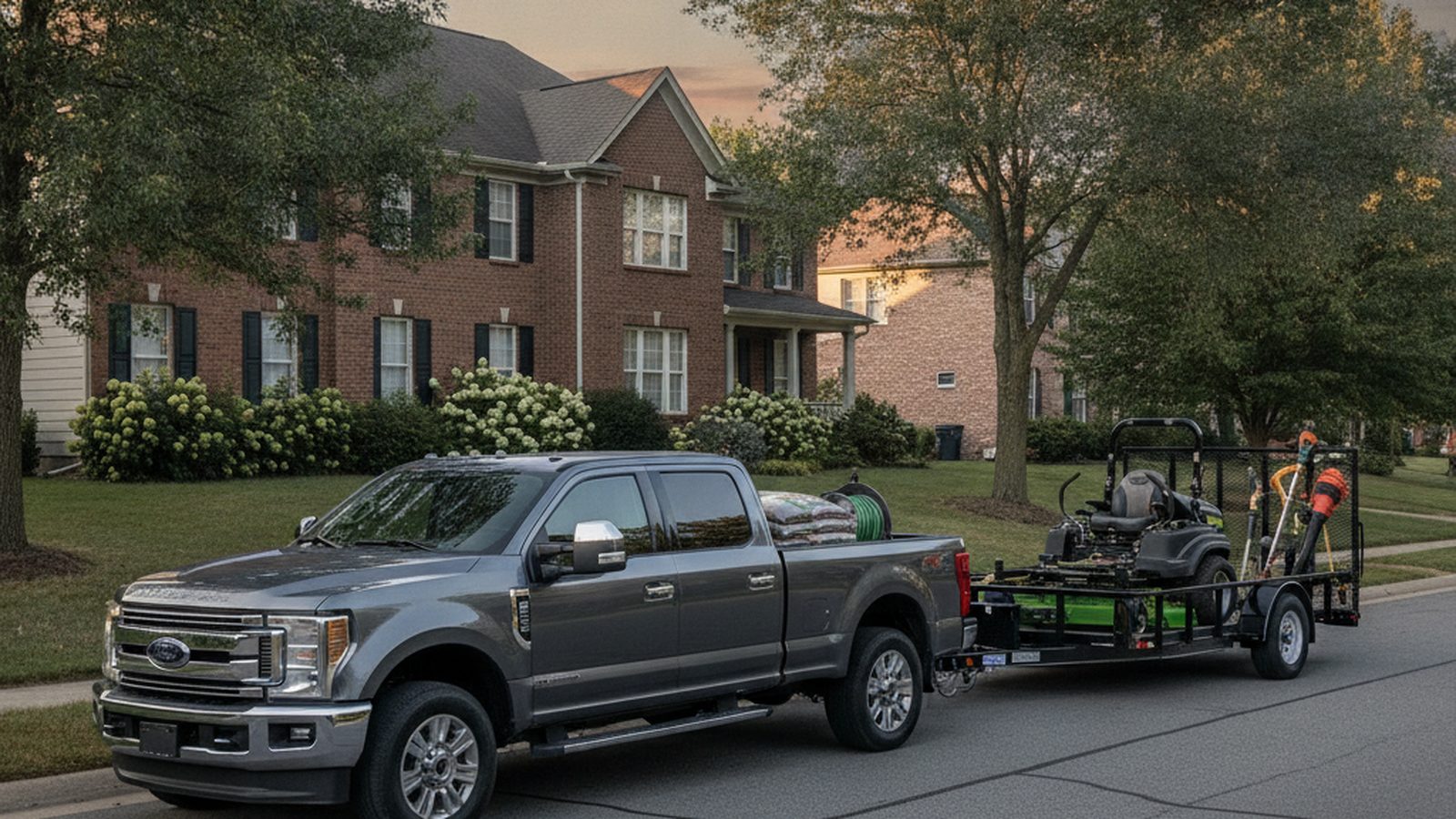
A comprehensive spring cleanup requires horticultural knowledge, the right equipment, and significant physical effort. For homeowners and businesses in Lebanon, West Chester, and across Northern Cincinnati, partnering with Melena Landscaping ensures the job is done right, setting your property up for a successful season.
Owned and operated by Dan Melena, who has been in the industry since 2006, our company has been serving the community since 2012. Dan personally oversees every project, from the initial site survey and consultation to the final follow-up, guaranteeing a high standard of quality and communication. This dedication to excellence has earned us the Angi Super Service Award for 11 consecutive years, from 2013 to 2023. Our experienced team provides a full range of services beyond cleanups, including landscape and hardscape installation, lawn care, and specialized drainage solutions from an NDS-certified specialist.
We proudly serve the communities of Mason, Montgomery, Indian Hill, Lebanon, West Chester, Liberty Township, Loveland, Blue Ash, Kenwood, Madeira, Mariemont, Hyde Park, Oakley, Springboro, Sharonville, Symmes Township, Maineville, South Lebanon, Morrow, Waynesville, Monroe, Hamilton, Indian Springs, Amberley Village, and Cincinnati. Let our team handle the hard work so you can simply relax and enjoy a beautiful, healthy landscape this spring. Ready to get your Northern Cincinnati property in top shape for the season? Call Melena Landscaping today at (513) 509-3741 or request your estimate online.
Straight answers from the Melena Landscaping team.
The ideal time for most spring cleanup tasks in the Cincinnati area is from late March through April. This window is typically after the ground has thawed but before the lawn and plants have begun their most active spring growth.
Mulch is critical for Ohio's heavy clay soils because it helps conserve moisture, prevents weed growth, and regulates soil temperature. As organic mulch decomposes, it gradually improves the clay's structure and aeration, making it a healthier environment for plant roots.
Spring cleanup focuses on recovery from winter and preparation for new growth, involving tasks like debris removal, dethatching, and preparing beds for planting. Fall cleanup is about preparing the landscape for winter dormancy, focusing on leaf removal, cutting back perennials, and protecting sensitive plants.
The cost varies based on property size and the specific services needed. A precise quote requires an on-site evaluation of your property's unique needs.
For cool-season grasses common in Ohio, fall is often considered the ideal time for aeration and overseeding because it gives the new grass more time to establish before summer heat. However, spring aeration is also beneficial and is a good secondary option, especially for heavily compacted lawns.
For cool-season lawns in Ohio, a mowing height of 3 to 3.5 inches is ideal. Mowing taller encourages deeper root growth and helps the turf shade out weeds, leading to a healthier, more resilient lawn throughout the season.
Dan Melena personally handles the consultation and follow-up on every project, residential and commercial.

3268 S US Route 42 Lebanon, Ohio 45036
(513) 509-3741
Melena Landscaping © 2024

