
A guide to retaining walls in Southwest Ohio. Learn when you need one, what materials work best for clay soil, and how they are built to last.
Schedule a ConsultationCall (513) 509-3741Updated October 14, 2026
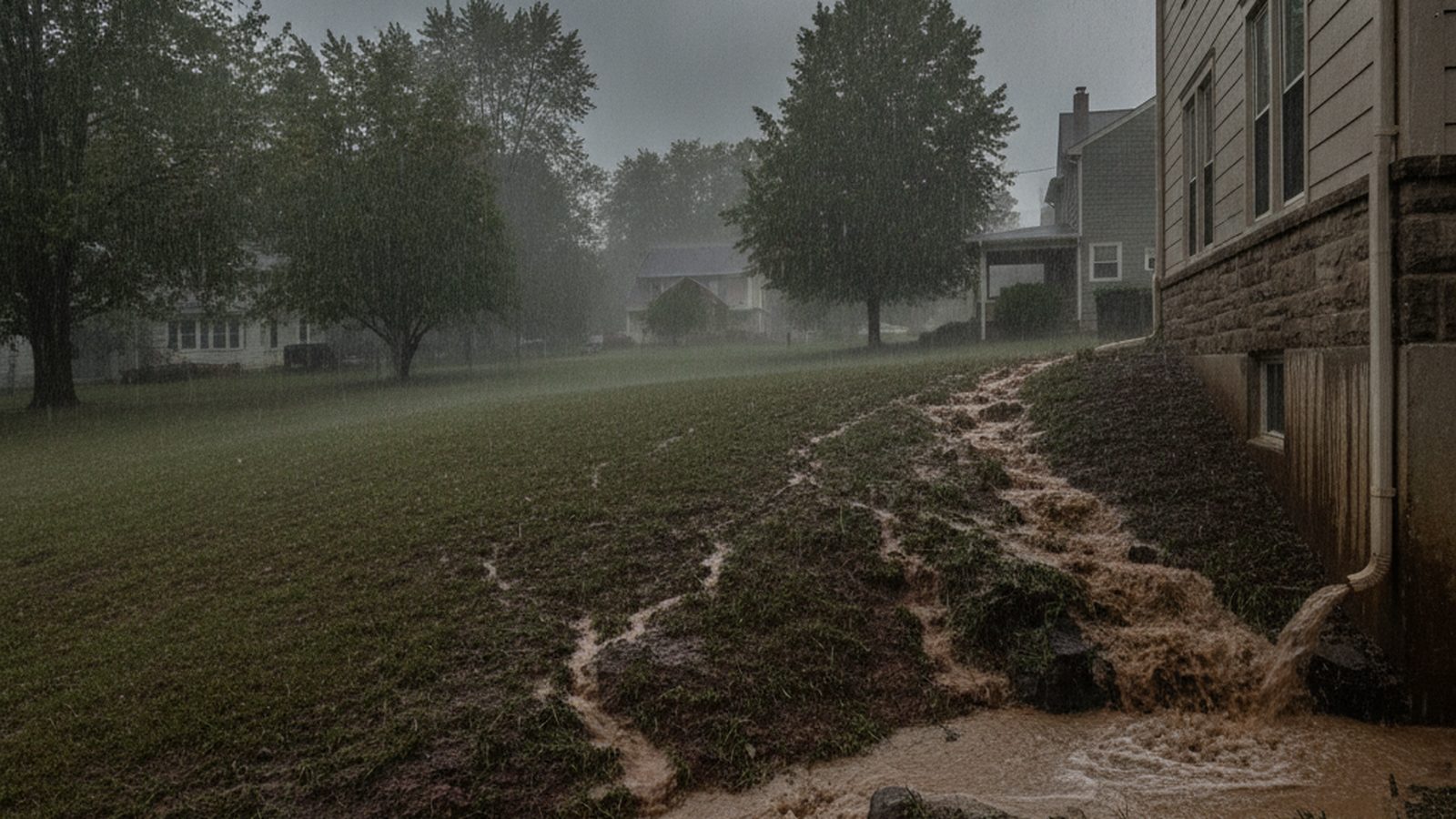
The landscape across Northern Cincinnati, from Mason to Indian Hill, presents unique challenges for property owners. Much of Southwest Ohio is characterized by rolling hills and slopes underlaid with heavy, silty clay soils. These soils are prone to holding water, which leads to poor drainage and instability, especially during heavy rains. Another major factor is our region's climate, which experiences significant freeze-thaw cycles. During winter, moisture in the soil freezes and expands, and then it contracts as it thaws. This constant expansion and contraction exerts immense pressure on the land, causing soil to shift and move downhill.
This process can lead to serious erosion, damage to your home's foundation, and loss of valuable yard space. A professionally built retaining wall is the most effective solution to counteract these forces. It provides a strong, stable barrier that holds the soil in place, manages water runoff, and protects your landscape investment for decades. A well-designed wall is engineered to withstand the specific pressures of our local environment, ensuring long term stability and peace of mind for homeowners.
Beyond their critical structural role, retaining walls are transformative landscaping features. A steep, unusable slope in your West Chester or Lebanon backyard can become a series of beautiful, level terraces perfect for planting gardens. A graded area can be turned into a flat, stable base for a new patio, walkway, or outdoor fire pit, effectively expanding your outdoor living area. Since 2012, Melena Landscaping has specialized in designing and installing retaining walls that solve complex grading and erosion problems while enhancing the beauty and functionality of properties throughout the region. Owner Dan Melena personally oversees each project, ensuring every wall is engineered to handle local soil conditions and a client's specific vision for their outdoor space.
Identifying the need for a retaining wall early can prevent more significant and costly problems down the road. For homeowners in communities like Loveland, Montgomery, and Springboro, there are several key indicators that a slope on your property requires structural support. Paying attention to these signs can help you protect your home and landscape from long term damage.
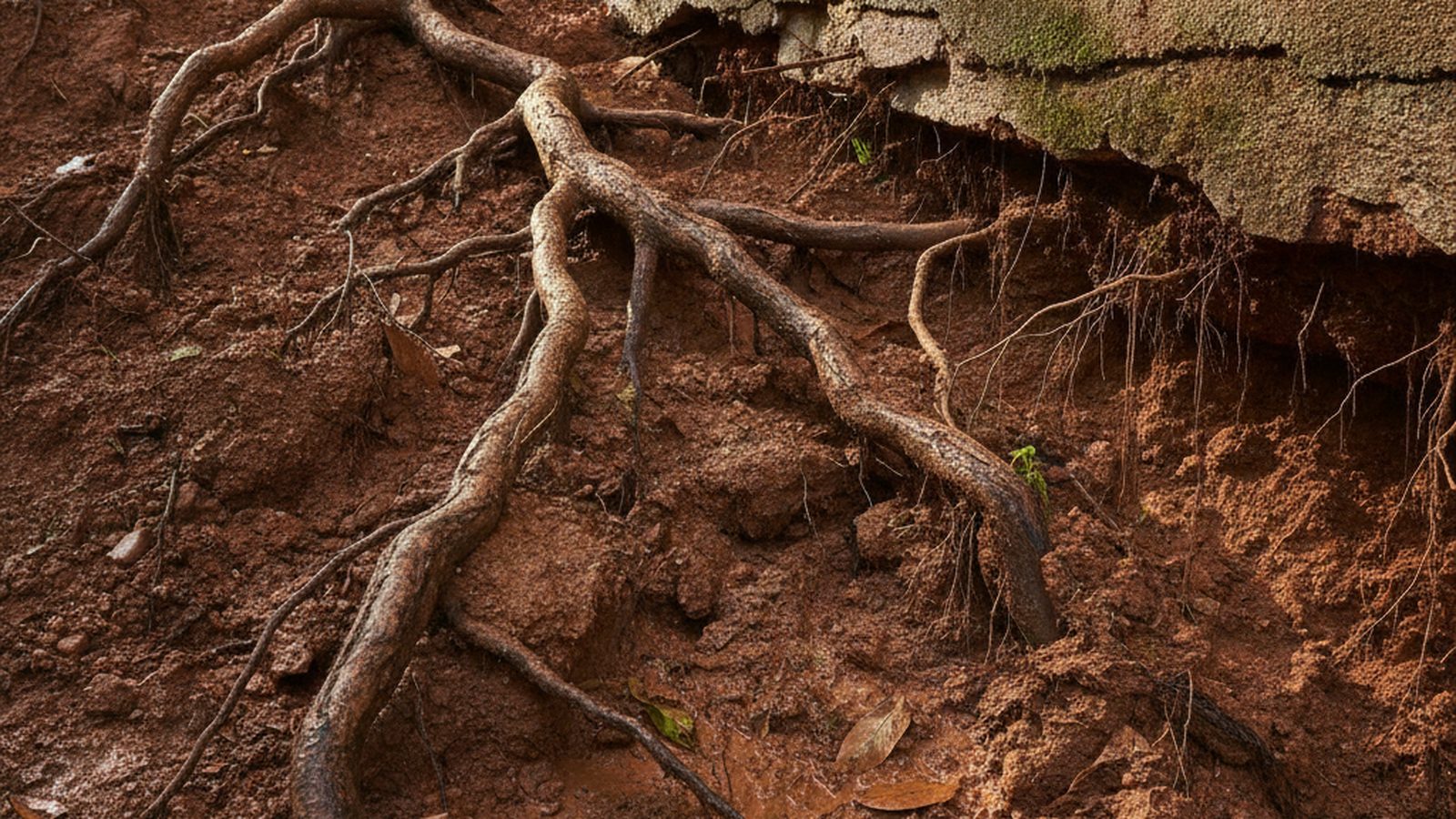
The most obvious sign is active erosion. If you see soil washing away from a hillside during rainstorms, forming gullies, or accumulating against your home's foundation, it is a clear signal that the slope is unstable. You might also notice that the roots of trees on a hill are becoming exposed, which means the surrounding soil is gradually disappearing. This runoff can overwhelm landscape beds, clog drainage systems, and deposit mud on patios and walkways. More seriously, uncontrolled water and shifting soil can put pressure on your foundation, leading to cracks or water intrusion in your basement or crawlspace. These are not just cosmetic issues; they can threaten the structural integrity of your home.
Many properties have slopes that are simply too steep to be practical. If you have a part of your yard that is difficult or unsafe to mow, or if you have tried to create a garden on a hill only to have the soil and mulch wash away, a retaining wall can provide a solution. By creating level tiers, a retaining wall can transform a challenging incline into a series of manageable, usable spaces. This is also a necessity if you plan to install a hardscape feature like a patio or driveway near a slope. A retaining wall provides the necessary support to prevent the land from shifting and damaging the new structure. With expertise from an NDS-certified drainage specialist, the team at Melena Landscaping understands how to integrate a wall with a comprehensive drainage system to manage water, which is the key to longevity in our clay soils.

Choosing the right material is crucial for both the structural integrity and the aesthetic of your retaining wall, especially given Southwest Ohio's climate. The material must be able to withstand freeze-thaw cycles and integrate well with our local landscape. Melena Landscaping has extensive experience building with a variety of high-quality materials suited for our area. Each material offers a different balance of durability, appearance, and investment. For many homeowners in Mason and Liberty Township, segmental concrete blocks are a popular and effective choice. For those in areas like Indian Hill seeking a more classic look, natural stone provides timeless beauty. The best option depends entirely on your property's needs, your style preferences, and your budget.
To help you decide, here is a comparison of the most common materials used for retaining walls in our region:
| Material | Primary Advantages | Best For | General Cost Estimate |
|---|---|---|---|
| Segmental Concrete Blocks | Durable, versatile in color and style, cost-effective, engineered for strength and easy installation. | Curved or straight walls, terraced gardens, and engineered walls of various heights. | Moderate |
| Natural Stone | Extremely durable, timeless and unique appearance, blends beautifully with natural landscapes. | Classic garden walls, premium landscape designs, and properties seeking a high-end, organic look. | High |
| Poured Concrete | Maximum strength and durability, ideal for very large or critical structural walls. | Tall commercial walls, supporting driveways or parking lots, modern landscape designs. | High |
| Treated Timber | Lower initial cost, provides a rustic and natural look. | Shorter, non-critical garden walls or temporary solutions where longevity is not the primary concern. | Low to Moderate |
These cost estimates are for general comparison only. Actual project costs depend on wall size, site conditions, and specific materials chosen. A professional consultation is the best way to determine the exact investment for your property. We can walk you through the pros and cons of each option in the context of your specific project goals.

A retaining wall that lasts for decades is not just assembled; it is engineered from the ground up with careful attention to detail. At Melena Landscaping, we follow a meticulous process to ensure every wall we build in Southwest Ohio is stable, durable, and correctly integrated with the surrounding landscape. This process is especially critical given our region's heavy clay soils and freeze-thaw cycles. Skipping any of these steps can lead to premature failure, so a professional approach is essential for a long lasting result.

A professionally built retaining wall is a significant investment in your property's safety, usability, and value. While a precise quote requires an on-site consultation, understanding the factors that influence the cost can help you budget for your project. The primary drivers of cost are the wall's size (height and length), the materials you choose, and the complexity of the site. General cost estimates for professionally installed retaining walls in the Cincinnati area can vary widely. For example, a standard segmental block wall might fall in a moderate price range, while natural stone walls, which require more specialized labor and have higher material costs, will be at a higher price point. These figures are for general guidance only and can be affected by several key variables.
At Melena Landscaping, we provide detailed, transparent estimates after a thorough site evaluation. Our focus on quality materials and expert construction, recognized by our Angi Super Service Awards from 2013 to 2023, ensures you receive a durable, long lasting wall that provides excellent value and protects your property for years to come.

When you invest in a structure as critical as a retaining wall, choosing a contractor with proven local expertise is essential. Melena Landscaping, owned and operated by Dan Melena, has been serving the Northern Cincinnati area since 2012, with Dan's personal industry experience going back to 2006. We are not a generic franchise; we are a local business built on a deep understanding of Southwest Ohio's specific environmental challenges. Our team has years of hands-on experience working with the heavy clay soils and freeze-thaw conditions that cause other walls to fail. This specialized knowledge is crucial for building structures that last.
As an NDS-certified drainage specialist, Dan Melena ensures that every wall project includes a robust, professionally designed drainage system, the single most important factor in a wall's longevity in our climate. This expertise is why homeowners from Lebanon to Hyde Park trust us to protect and enhance their properties. Our commitment to excellence is reflected in our consistent recognition with the Angi Super Service Award for over a decade, from 2013 to 2023. This long track record of customer satisfaction speaks to our reliability and quality of work.
Dan personally oversees every job, from the initial consultation and design to the final buildout and follow-up. This ensures clear communication, meticulous attention to detail, and a final product that meets our high standards and your unique needs. We are a full-service landscaping and hardscaping company, able to seamlessly integrate your new retaining wall with patios, walkways, plantings, and outdoor lighting for a complete outdoor transformation. Ready to solve your erosion problems and create the outdoor space you have always wanted? Contact Melena Landscaping for a professional consultation and a detailed, on-site estimate.
Straight answers from the Melena Landscaping team.
A professionally installed retaining wall using durable materials like segmental concrete blocks or natural stone can last 50 to 100 years. The key to longevity in our climate is a proper foundation built below the frost line and a comprehensive drainage system to manage water in our heavy clay soils.
In most Ohio municipalities, a permit is required for retaining walls over four feet in height, or any wall supporting a significant load like a driveway. Local requirements can vary, so it is always best to verify with your specific municipality. We can help manage this process for your project.
Segmental concrete blocks and natural stone are excellent choices for our region's clay soil. These materials are durable and can withstand moisture and freeze-thaw cycles. However, the most critical factor is not the material itself, but the installation of a proper gravel base and drainage system behind the wall to prevent hydrostatic pressure.
Drainage is the most critical element for a retaining wall's survival in Southwest Ohio. Without a proper drainage system, water saturates the clay soil, creating immense pressure that can cause the wall to bow, crack, or fail. As a company with NDS-certified drainage expertise, we ensure every wall has a robust system to channel water away safely.
Yes, a well-built retaining wall can significantly increase property value. It solves erosion problems, creates more usable and attractive outdoor living space, improves curb appeal, and adds to the overall safety and stability of your landscape. It is a functional improvement that offers a strong return on investment.
For significant slopes, we often design tiered retaining walls. This involves creating two or more shorter walls stepped back from each other, which is often more stable and aesthetically pleasing than one very tall wall. This approach also creates ideal, level pockets for planting.
Dan Melena personally handles the consultation and follow-up on every project, residential and commercial.

3268 S US Route 42 Lebanon, Ohio 45036
(513) 509-3741
Melena Landscaping © 2024

