
A guide to mulching for Cincinnati & Lebanon, OH. Learn the best mulch type for clay soil, how deep to apply it, and when to mulch for best results.
Schedule a ConsultationCall (513) 509-3741Updated October 14, 2026
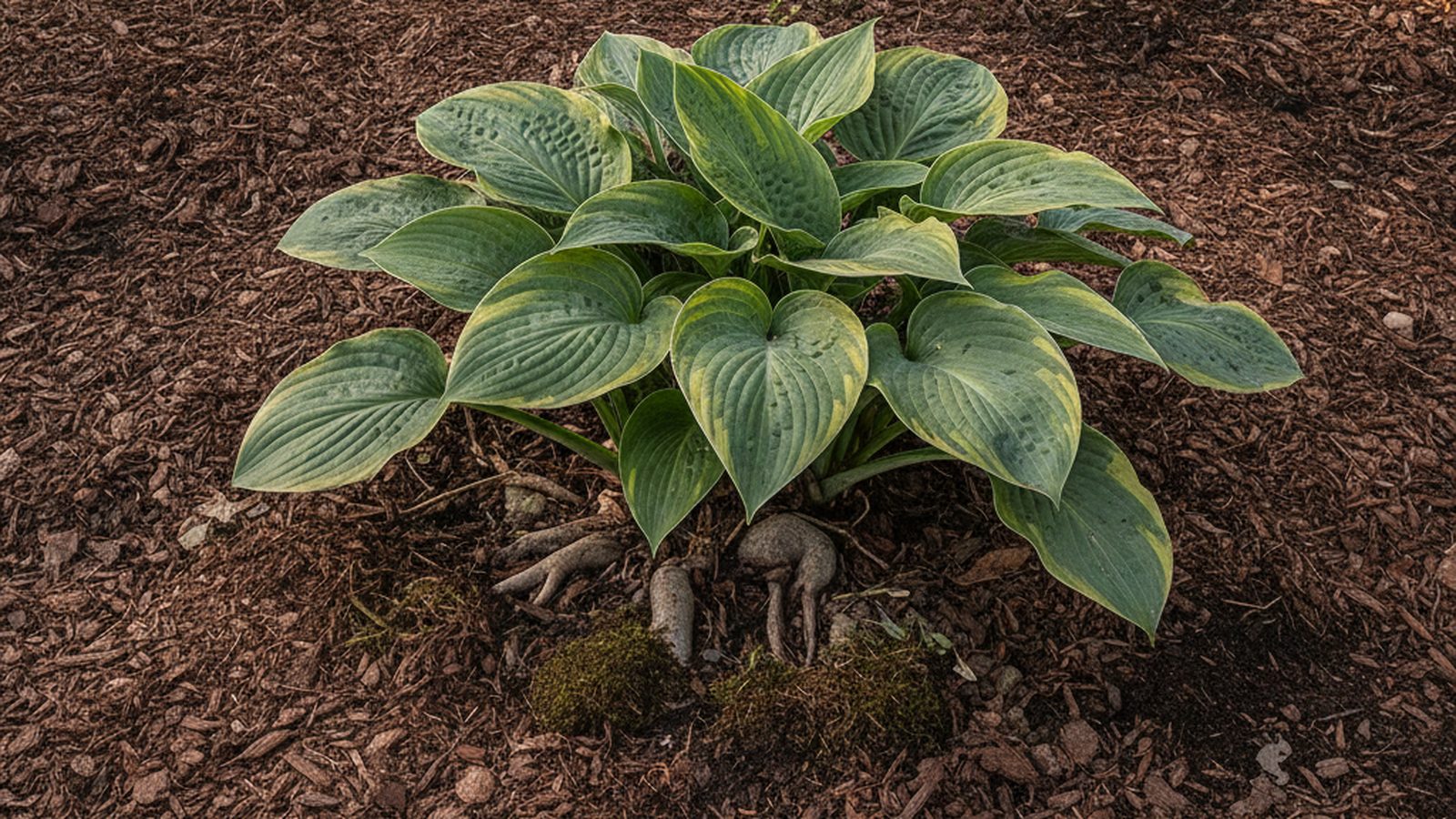
Mulch is a critical component for a healthy, resilient landscape, especially in Southwest Ohio. Our region, which falls in USDA zone 6b, presents unique challenges like heavy clay soil and harsh freeze-thaw cycles. A professional mulching service addresses these issues directly, providing benefits that go far beyond simple curb appeal. Since 2012, Melena Landscaping has helped homeowners and businesses from Mason to Indian Hill use mulch to create more vibrant and sustainable landscapes.
The advantages of a proper mulch layer are significant. This is crucial during Cincinnati's hot summers. For our dense clay soils, the benefits are even more pronounced. As organic mulch decomposes, it adds vital organic matter, which improves soil aeration and structure, making it easier for plant roots to thrive.
Dan Melena and his team understand how to leverage these benefits to protect your landscape investment, ensuring your plants have the best possible environment to grow.
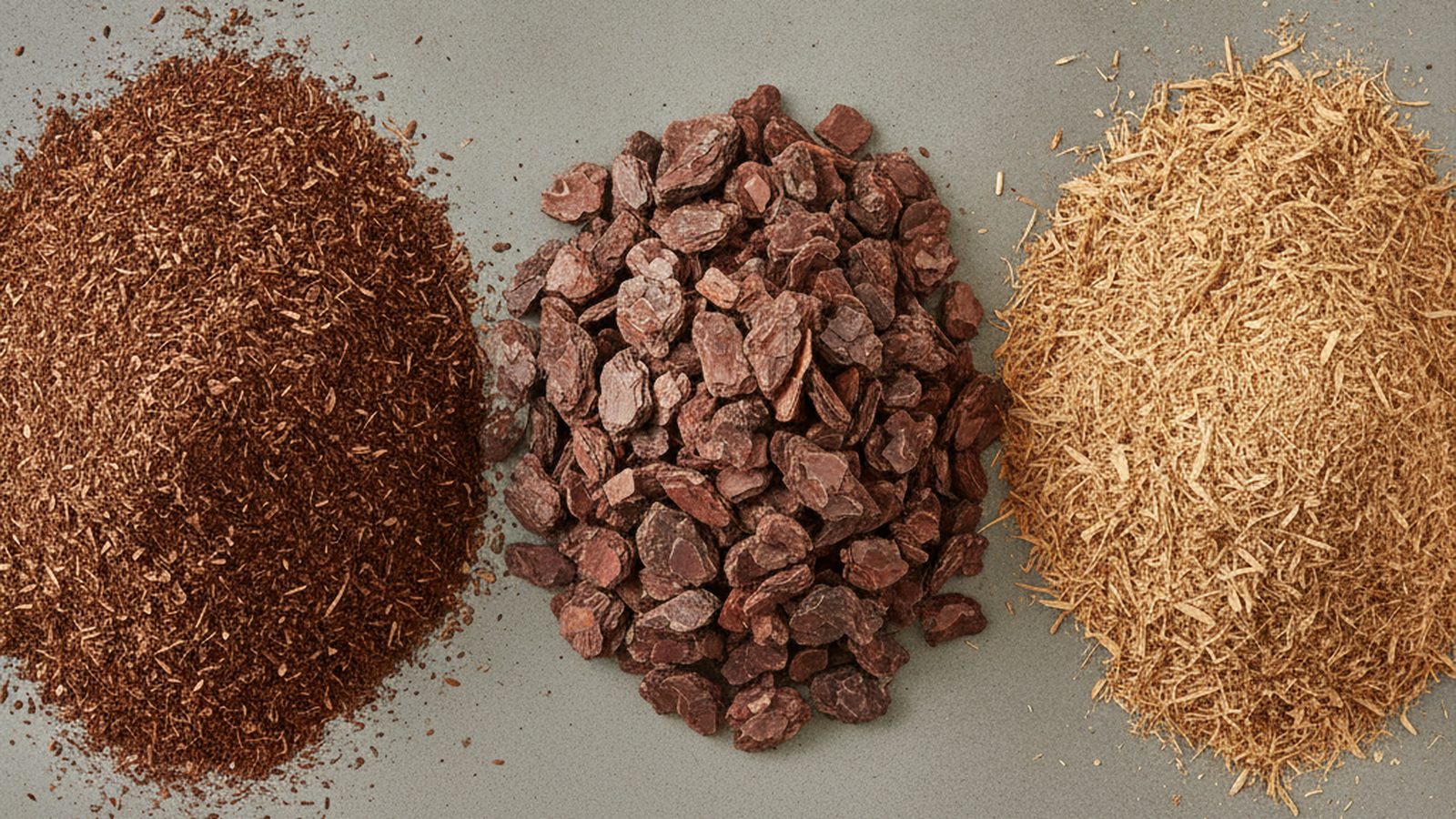
Choosing the right mulch is vital for achieving the best results in Cincinnati's challenging soil. While many options exist, they generally fall into two categories: organic and inorganic. For most residential and commercial landscape beds in our area, from West Chester to Blue Ash, organic mulches are the superior choice because they decompose and actively improve the heavy clay soil over time.
At Melena Landscaping, we help clients select the perfect mulch based on their landscape's specific needs, plant types, and aesthetic goals. Shredded hardwood is often the top recommendation for its ability to knit together on slopes, decompose slowly, and add essential organic matter to the soil.
The best choice often depends on the specific application. For example, pine bark's slight acidity is beneficial for plants like azaleas and rhododendrons. The following table compares the most popular and effective options for our region:
| Mulch Type | Best For | Decomposition Rate | Benefits for Clay Soil |
|---|---|---|---|
| Shredded Hardwood | General landscape beds, slopes, and around trees. | Slow (1 to 2 years) | Excellent for adding organic matter, improving soil structure, and staying in place. |
| Pine Bark (Nuggets or Shredded) | Acid-loving plants like azaleas, rhododendrons, and hydrangeas. | Very Slow (1 to 3 years) | Good for moisture retention, but slower to improve soil structure compared to hardwood. |
| Cedar Mulch | Foundation plantings and areas where insect deterrence is desired. | Very Slow (2 to 3 years) | Lasts a long time but is less effective at improving soil composition quickly. Often more expensive. |
| Compost | Vegetable gardens and new flower beds needing a nutrient boost. | Fast (6 to 12 months) | Excellent for rapidly improving soil fertility and structure, but needs frequent reapplication. |
Inorganic options like river rock, gravel, or rubber mulch are permanent and do not decompose. They are excellent for specific applications such as pathways, drainage areas, or modern landscape designs. As an NDS-certified drainage specialist, Dan Melena often incorporates stone into functional drainage and grading solutions. However, these materials do not improve soil health and can absorb and radiate significant heat, which can stress some plants during our hot summers.
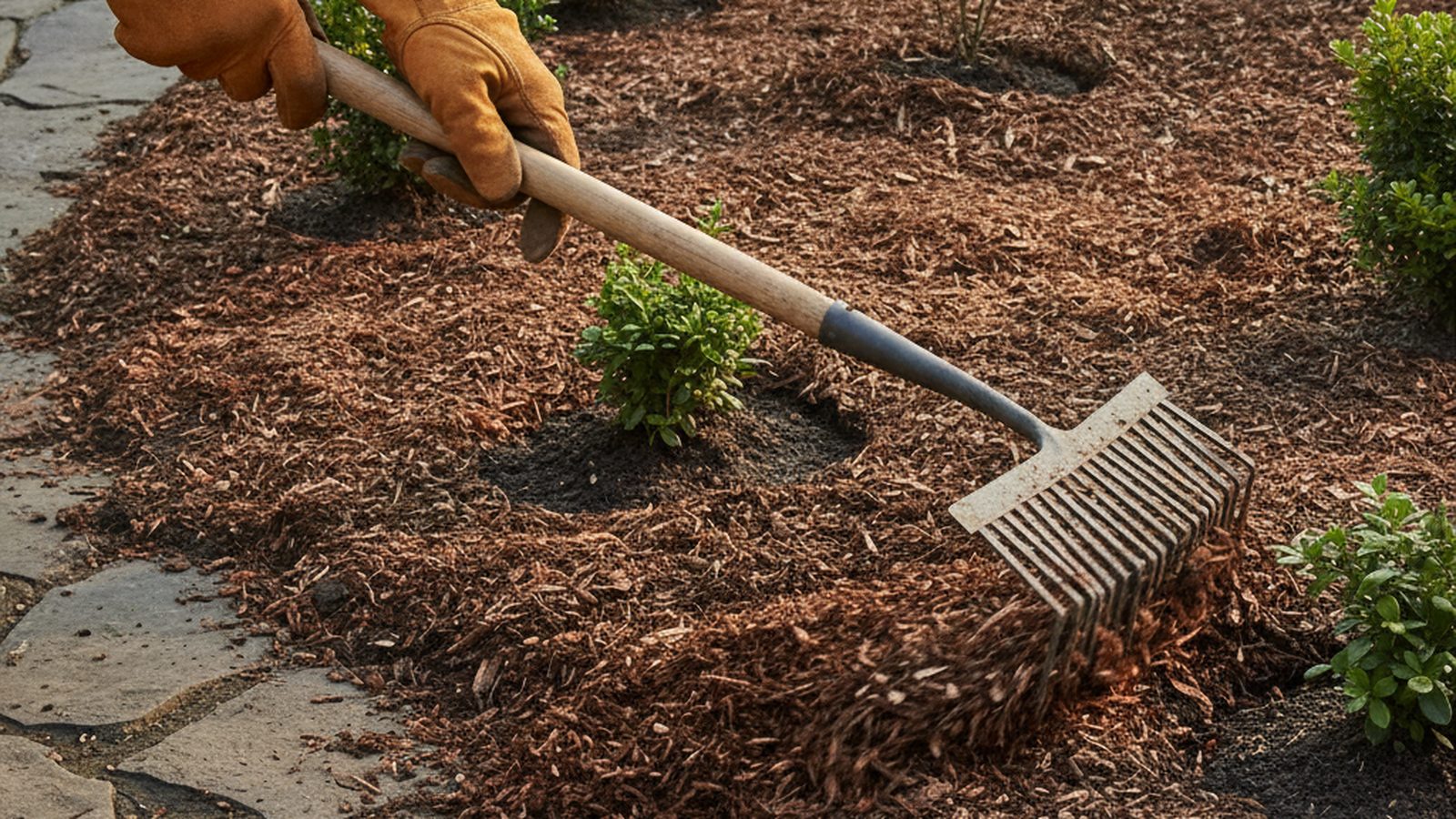
Proper application is just as important as choosing the right type of mulch. The correct depth maximizes benefits, while improper techniques can harm your plants. For gardens in Mason, Lebanon, and across Northern Cincinnati, a consistent depth of 2 to 3 inches is the standard recommendation. This is deep enough to suppress weeds and retain moisture but not so deep that it suffocates plant roots, a real risk in our dense clay soils.
Mulch is sold by the cubic yard. To figure out how much you need:
Example: A 200 sq. ft. bed at a 3-inch depth: 200 sq. ft. x 0.25 ft = 50 cubic feet. 50 / 27 = 1.85 cubic yards. You would order 2 cubic yards.
A common but damaging practice is piling mulch directly against the trunks of trees and stems of shrubs, creating a cone or "volcano" shape. This practice traps moisture against the bark, which can lead to decay, disease, and insect problems. It can also cause roots to grow into the unstable mulch pile instead of the soil, stressing the plant.
The correct method is to apply mulch like a donut, not a volcano. Always pull mulch back several inches from the base of trees and plants. This ensures the root flare (where the trunk widens at the ground) remains exposed to the air as it should be. The experienced team at Melena Landscaping ensures this proper technique is used on every job, protecting the long-term health of your valuable plants.
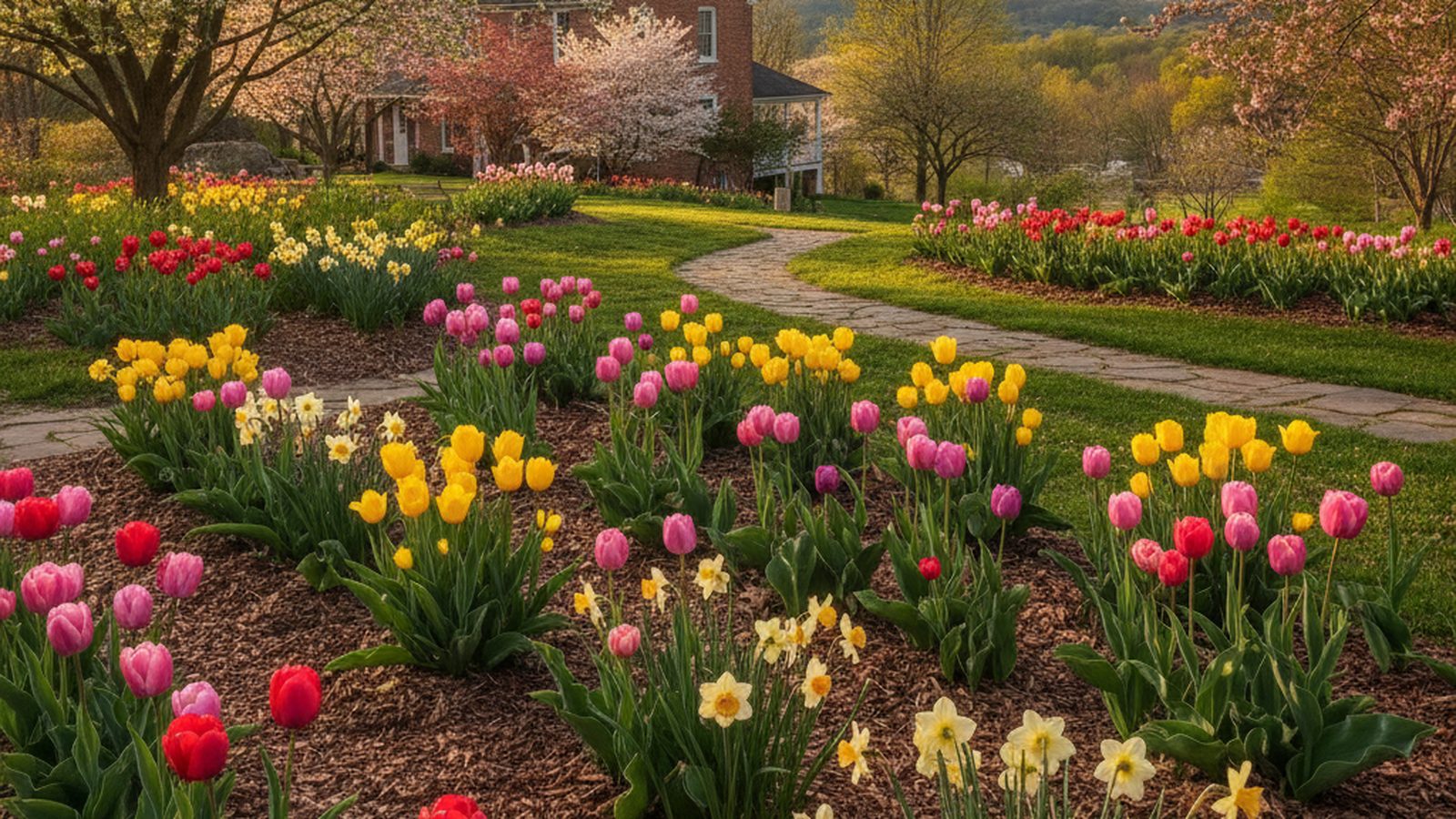
Timing your mulch application is key to unlocking its full benefits. For the Cincinnati region, the primary and most effective time to mulch is in mid to late spring, typically from April through May. It is best to wait until the soil has had a chance to warm up and dry out from the winter moisture. Applying mulch too early in the season can trap cold and excess moisture in the ground, which can slow down the root development of perennials and shrubs as they come out of dormancy.
Spring Application (Primary): Applying a fresh 2 to 3 inch layer in spring provides a clean look for the growing season and immediately goes to work suppressing the inevitable spring weed growth. It also prepares your beds to retain crucial moisture before the heat and potential dry spells of a Cincinnati summer arrive. This is the most popular and beneficial time for a full mulch installation.
Fall Application (Supplemental): A lighter application of mulch in the fall, typically in October or after the first light frost, can also be very beneficial. This application is less about aesthetics and more about protection. A fall layer of mulch helps insulate plant roots from the harsh temperature swings of our winter. It minimizes the effects of the freeze-thaw cycle, which can heave new or shallow-rooted plants right out of the ground.
As part of our comprehensive landscape services, Melena Landscaping consults with clients to determine the best schedule for their property. Whether it's a primary application for a commercial property in Sharonville or a protective fall layer for a home in Springboro, we ensure the timing is right for the health of your landscape.
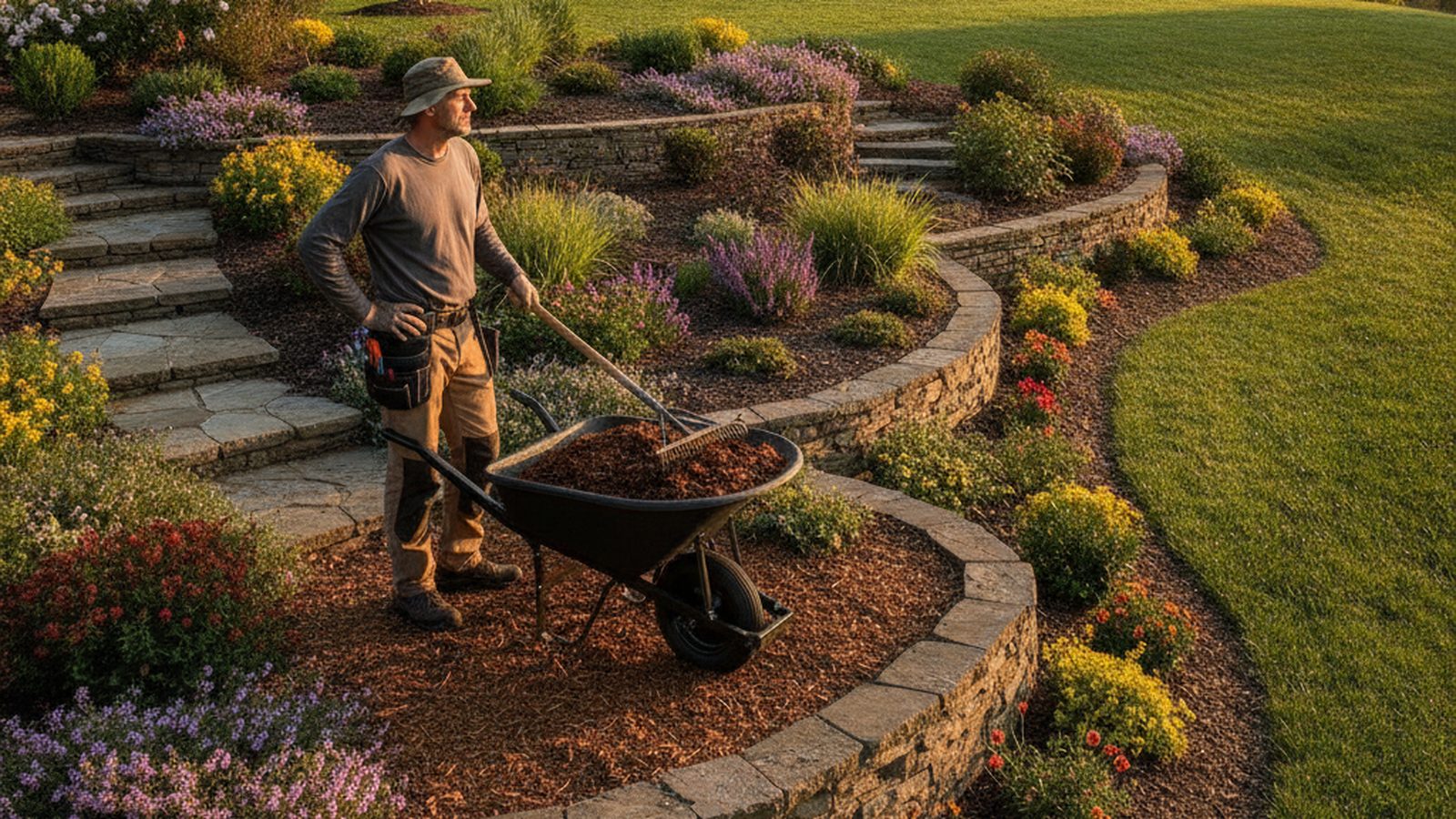
The cost of professional mulching services in the Cincinnati area is unique to each project. Several key factors determine the final price, which is why Melena Landscaping provides detailed, custom estimates based on a thorough site survey. This approach ensures accuracy and transparency for every client.
Instead of a one size fits all price, we evaluate the specific conditions of your property to provide a fair and accurate quote. Understanding the variables involved can help you appreciate the scope of the work and the value of a professional installation.
Investing in a professional service from a reputable company like Melena Landscaping ensures the job is done correctly and efficiently. With Dan Melena personally overseeing each project, you can be confident in the quality and value of the work performed on your property in communities from Hyde Park to Hamilton.
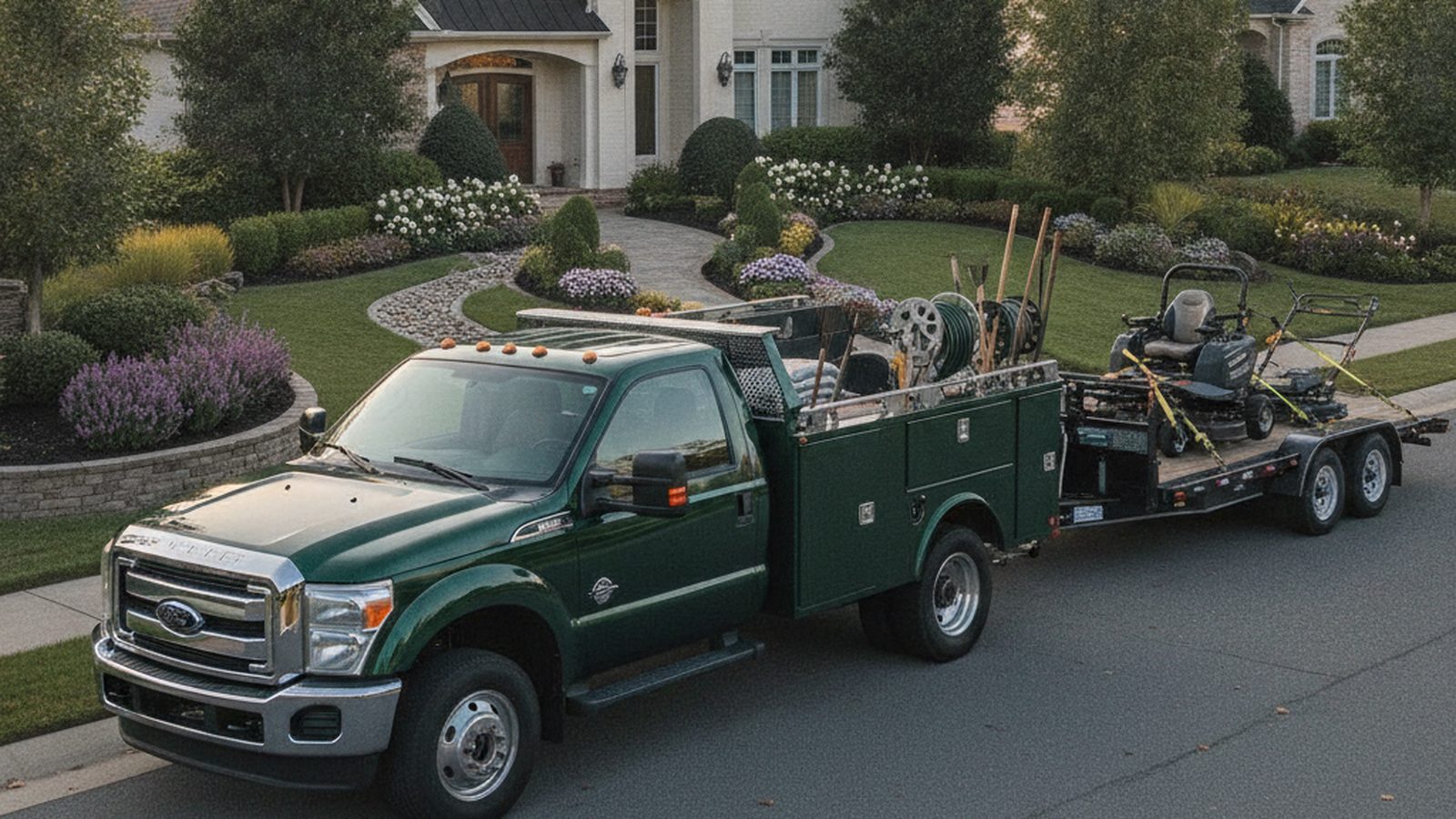
Choosing the right landscaping partner is essential for the health and beauty of your property. Melena Landscaping, based in Lebanon at 3268 S US Route 42, has been a trusted provider of expert mulching and comprehensive landscape solutions in Northern Cincinnati since 2012. Our deep understanding of local horticulture, from the heavy clay soil to the specific needs of plants in our climate, sets us apart.
Our commitment to quality is reflected in our consistent recognition with the Angi Super Service Award for 11 consecutive years, from 2013 to 2023. This is a direct result of our meticulous process and the personal oversight of owner Dan Melena on every single job. From the initial site survey and consultation to the final cleanup, we ensure every detail is handled with professionalism and care. Our process includes thorough bed preparation, including crisp edging and diligent weeding, followed by the expert application of high-quality mulch at the correct depth.
Beyond mulching, we are a full-service landscape company. Our services include:
This comprehensive expertise means we understand how mulching fits into the bigger picture of your landscape's health. We serve both residential and commercial clients across a wide area, including Montgomery, Liberty Township, Kenwood, Madeira, and many other surrounding communities. When you work with us, you are choosing a dedicated, award-winning team that prioritizes honesty, quality, and communication.
Straight answers from the Melena Landscaping team.
For most organic mulches like shredded hardwood, an annual application in the spring is recommended to maintain a depth of 2 to 3 inches. This replenishes the material as it decomposes and keeps your landscape looking fresh and well-maintained.
Yes. Applying mulch deeper than 4 inches can suffocate plant roots by reducing oxygen flow and can lead to waterlogged soil, especially in our heavy clay. It's also crucial to avoid piling mulch against plant stems and tree trunks to prevent rot and disease.
Most commercially available dyed mulches use iron oxide (for red) or carbon black (for black), which are generally considered safe for plants, pets, and the environment. Melena Landscaping uses high-quality products to ensure the safety and health of your landscape.
It's usually not necessary to remove old mulch if it is a similar organic material and has decomposed to a thin layer. However, if the existing mulch is excessively thick (over 3-4 inches), matted down, or you're switching to an entirely different type, removing some of the old layer is beneficial.
While mulch itself doesn't feed termites, a thick layer piled against your home's foundation can trap moisture, which creates an attractive environment for them. It is always recommended to keep mulch several inches away from your foundation and siding.
Bed edging is the process of creating a clean, defined line between your landscape beds and your lawn or other surfaces. This is typically done with a spade or a mechanical edger. It prevents grass from creeping into your beds and keeps mulch from spilling onto the lawn, creating a sharp, professional look.
Dan Melena personally handles the consultation and follow-up on every project, residential and commercial.

3268 S US Route 42 Lebanon, Ohio 45036
(513) 509-3741
Melena Landscaping © 2024

